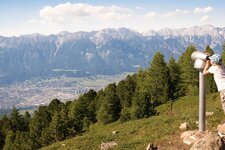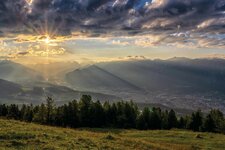
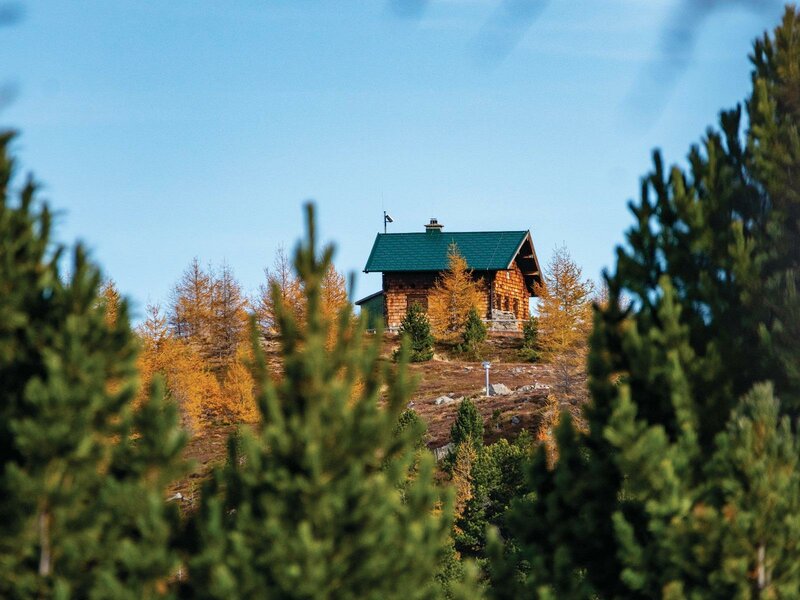
The Pine Stone Trail on Mt. Patscherkofel, the namegiving mountain of Patsch, is one of the classic theme trails of the area
Image gallery: Patsch


Altitude: 998 m a.s.l.
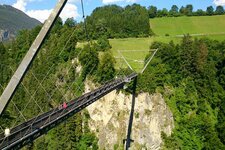
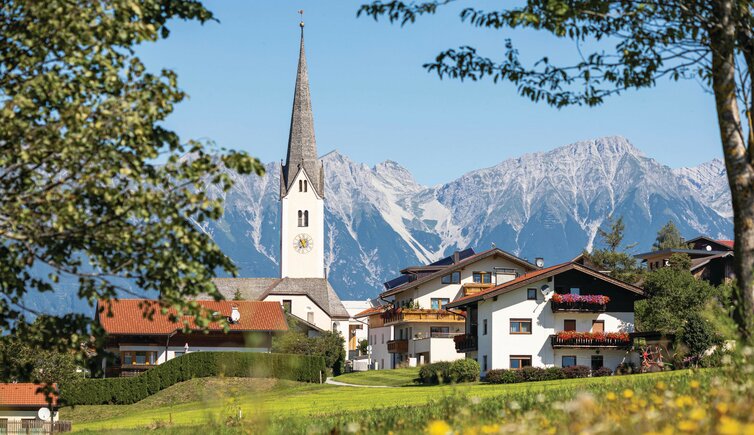
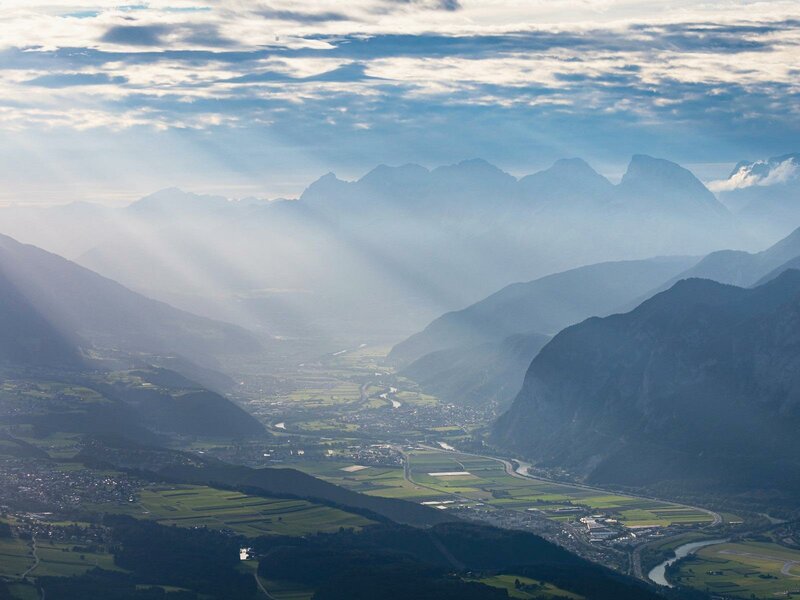
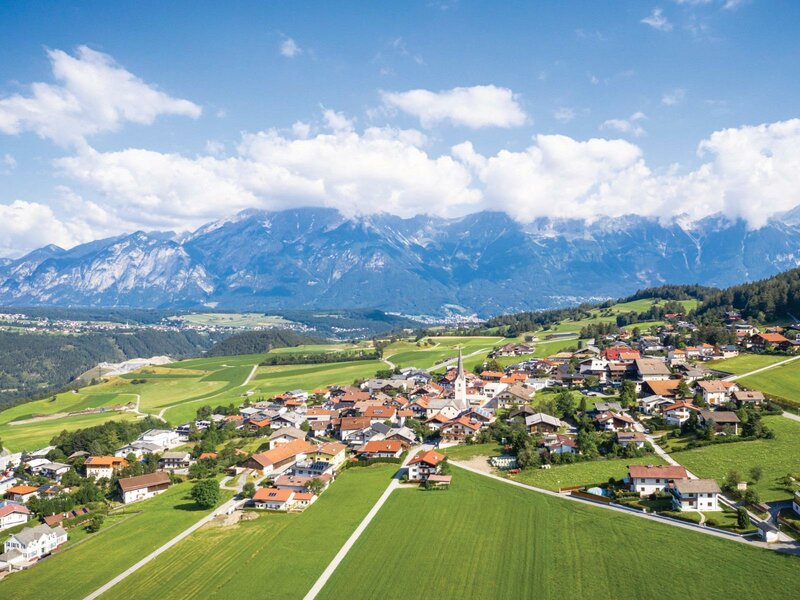
Patsch in the south of Innsbruck represents one of Innsbruck's holiday villages. The component locality Kirchdorf is located directly along the ancient Salt Road from Hall in Tirol to Matrei am Brenner. In 1399, the entire village, except one single building, was destroyed by a devastating fire. Today, the 190 m high Europe's Bridge overstretches the Silltal valley beneath Patsch. The small holiday resort can be found at the foot of Mt. Patscherkofel, a well-known hiking and skiing area.
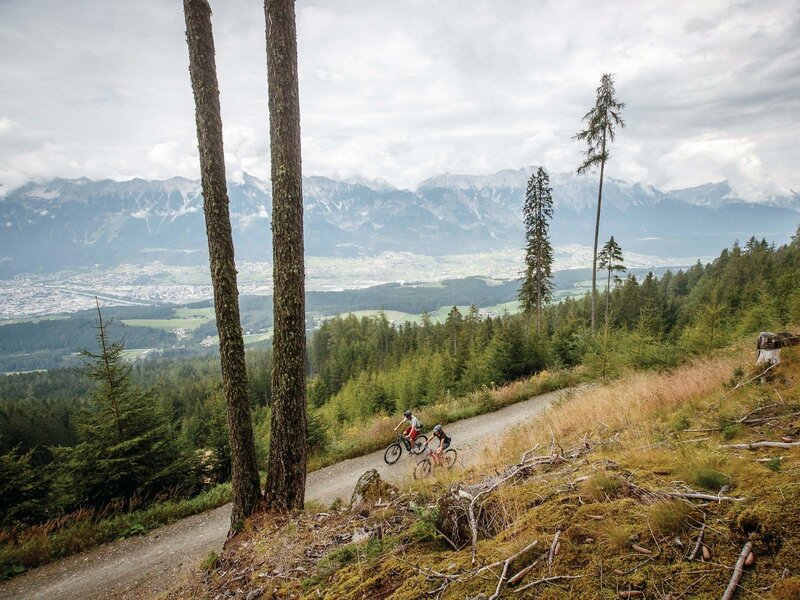
The trails on the 2,000 m high Patscherkofel mountain make you explore the largest stone pine forest of the Alps, the highest located alpine garden of Austria or the Rosengarten Nature Reserve, an old cultural landscape and an important habitat for plants. There's also the Goldbichl, a hill, where large altars for burnt offerings were built during the Bronze Age and Iron Age. Today, the Goldbichl represents one of the most important archaeological sites of Tyrol and can be reached on the Glacier View Path from Igls or on the Roman Road from Patsch.
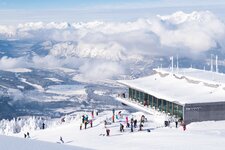
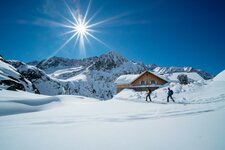
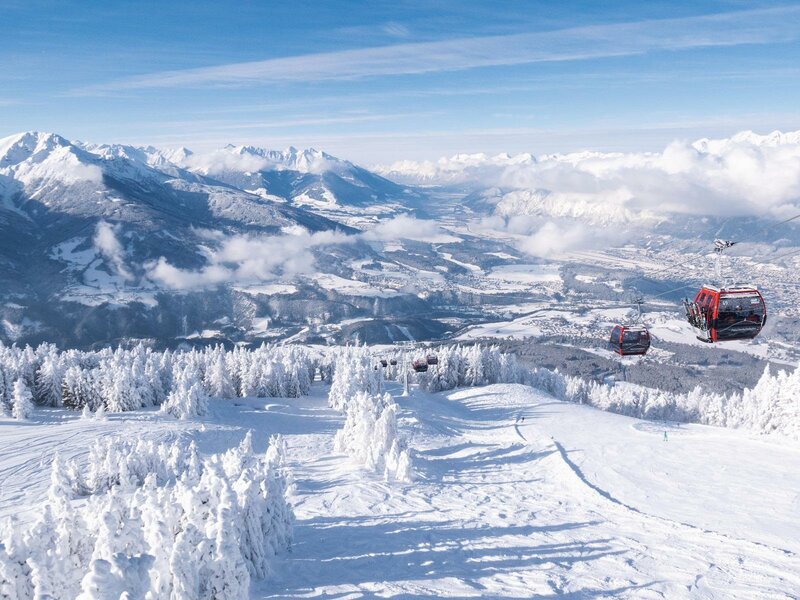
In winter, Mt. Patscherkofel turns into a popular skiing area, furthermore the region is known for beautiful snowshow tours. A highlight for culture lovers, however, are the house paintings, decorating numerous farms in Patsch and surroundings, as well as the historical Heiligwasser Pilgrimage Site with a tavern which stays open all year round. The two buildings rise on the northern slope of Mt. Patscherkofel - the Patscherkofel Cable Car takes you comfortably into this mountain world. It starts in the neighbouring Igls, the seat of the Innsbruck-Igls Golf Club.