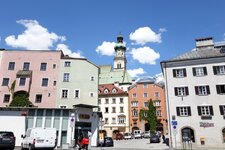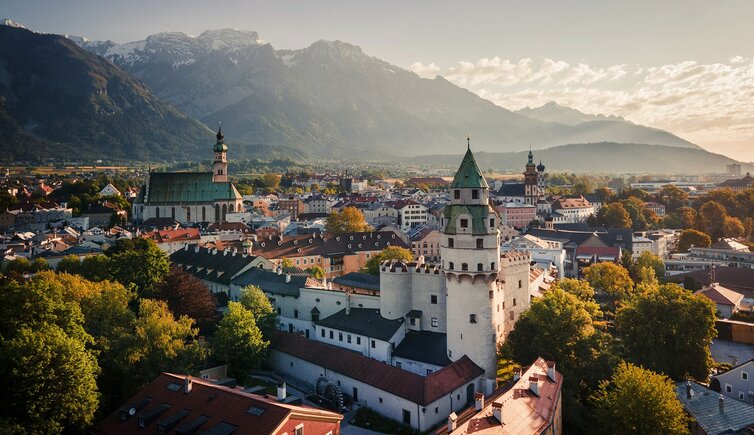
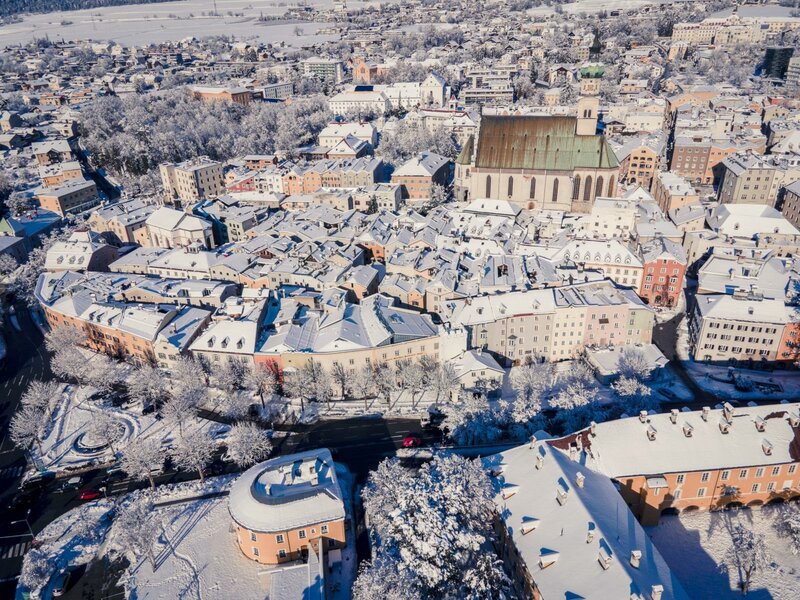
The old town of Hall in Tirol is the largest preserved historic district of North Tyrol - its symbol is the Mint Tower
Image gallery: Hall in Tirol

Altitude: 574 m a.s.l.
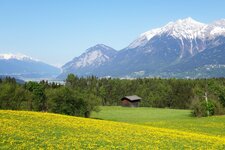
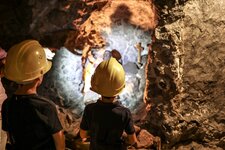
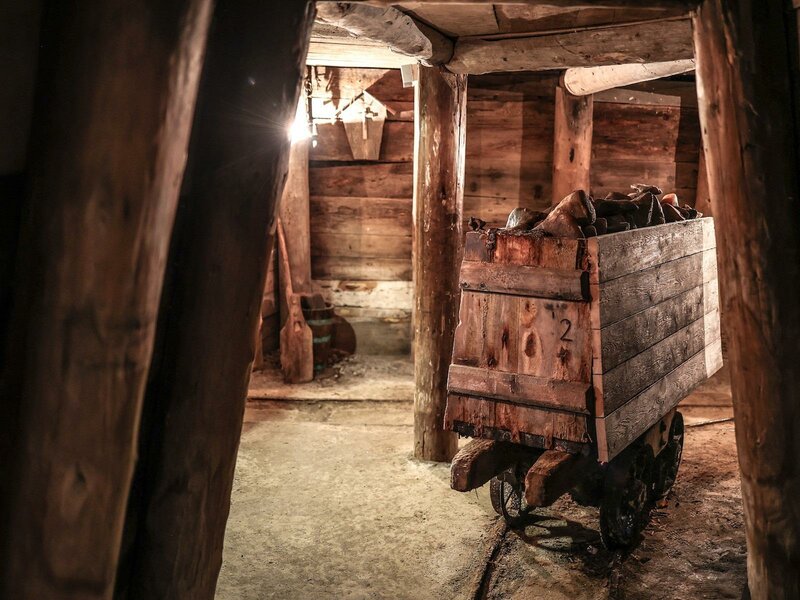
Hall in Tirol is located near Innsbruck in front of the impressive Bettelwurf Massif. Already in 1232 AD, Hall was mentioned as saline - the salt mine in the Halltal was one of the most flourishing branches up to 1967. Salt was transported via the Salt Road to Matrei am Brenner, and was exported even to Switzerland, to the Black Forest and the area round the Rhine river. In 1303, Hall in Tirol was raised to the status of town. In the Mining Museum in the historic town, a walkable mine was reproduced, which provides a better insight into life in former times.
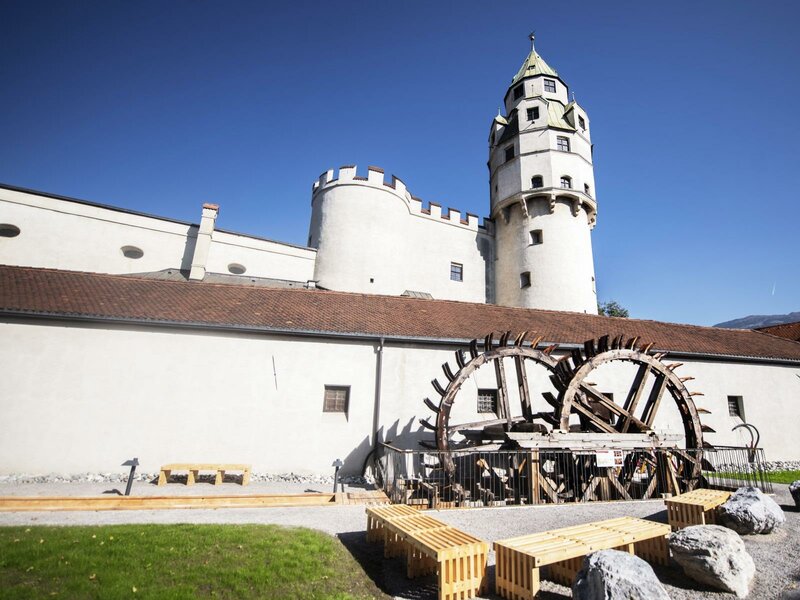
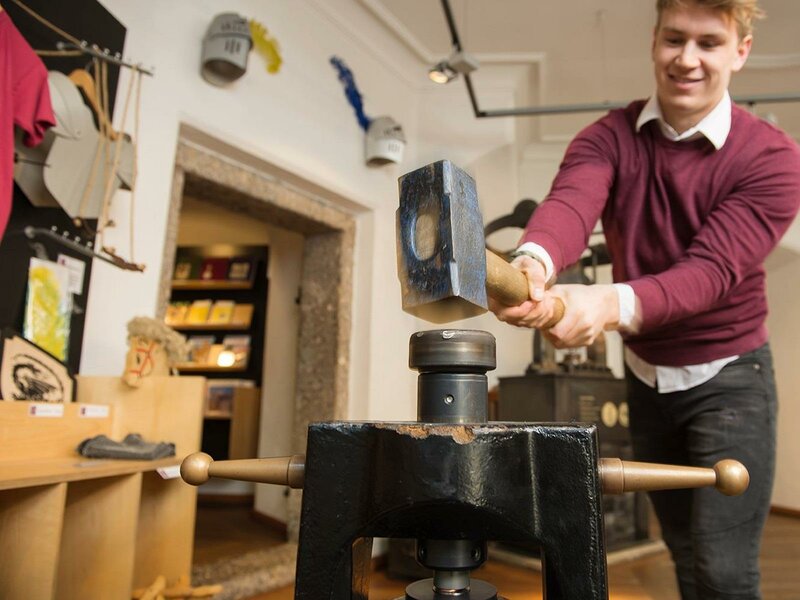
Two peculiarities of the charming town are its historic district and the Hall Mint Museum with the Mint Tower. In 1477, the archduke Sigmund from Tyrol had the territorial mint transferred from Merano in South Tyrol to Hall in North Tyrol, probably due to the vicinity of the silver mines of Schwaz. In 1748, the Maria Theresa Thaler was coined about 17 million times and employed worldwide as means for payment. However, this period of time is documented in the Hall Mint Museum at Hasegg Castle, and the associated Mint Tower provides a great view on the town.
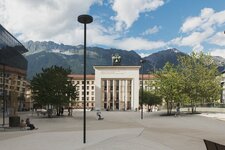
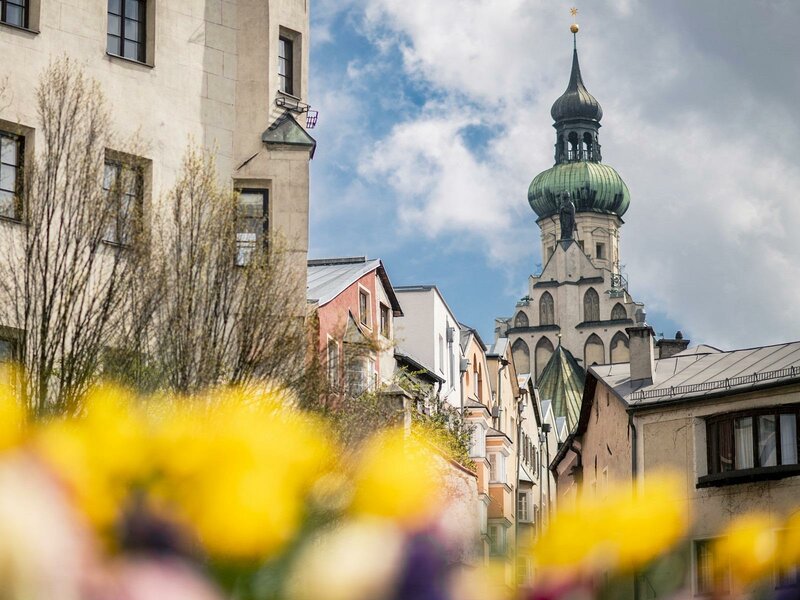
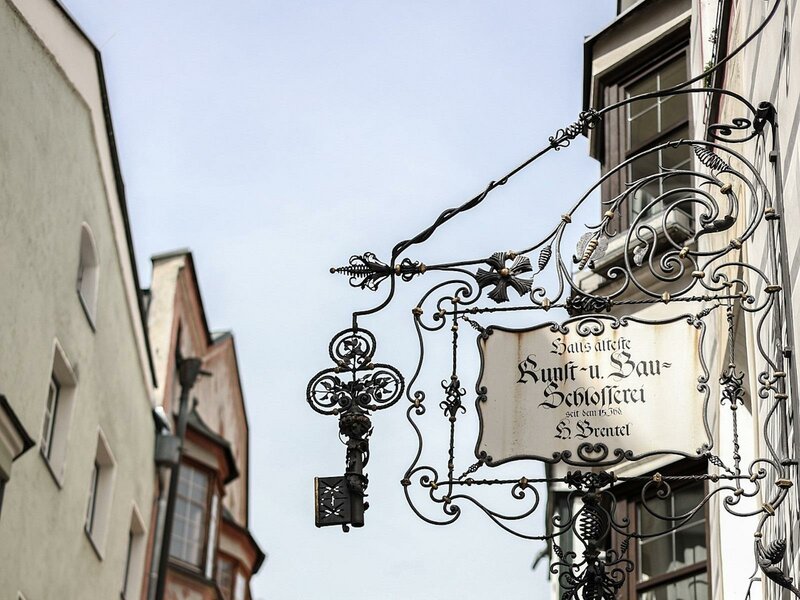
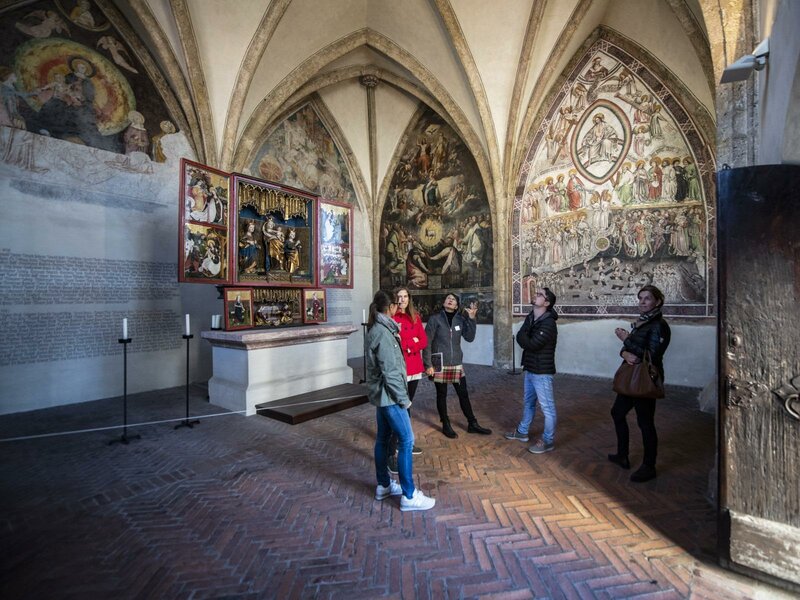
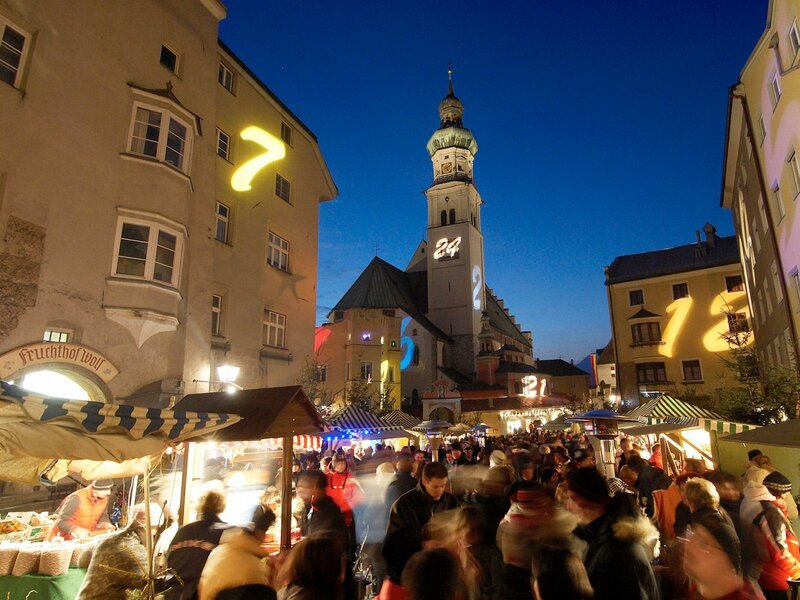
In Hall's historic district - even larger than the historic district of Innsbruck - you feel like in the Middle Ages. Particularly the Upper Town Square with the townhall and the Gothic St. Nicolas Church conveys a particular charm to the town. As largest preserved historic district of North Tyrol, many buildings are under monumental protection. The events in the course of the year, however, include the Hall Radish Festival and the Biological Week Tyrol, as well as cultural highlights such as the Tyrol Easter Festival and the "Sprachsalz" International Literary Festival.