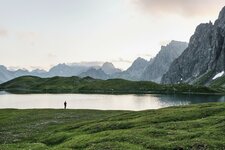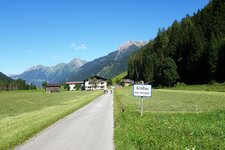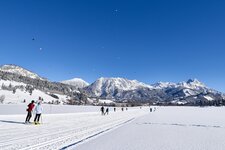
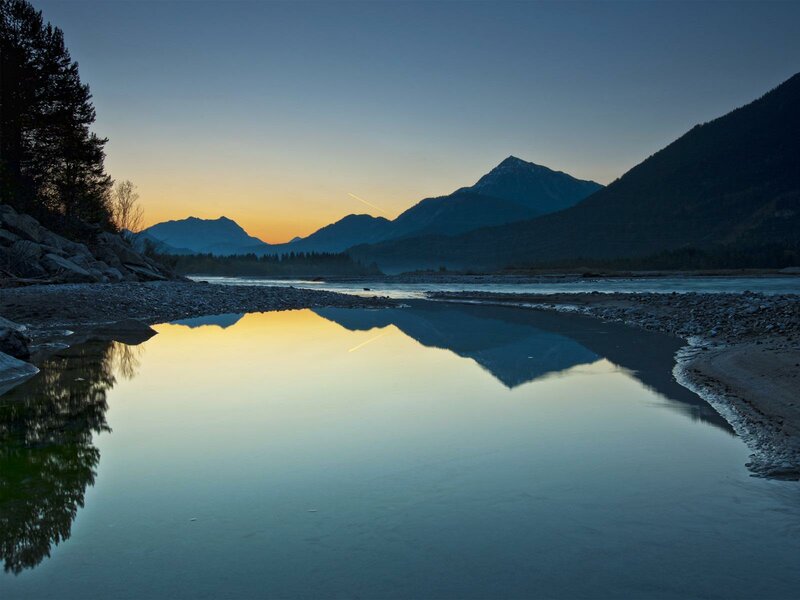
The breathtaking mountains of the Lechtal Alps characterize the offers regarding leisure time activities in Forchach
Image gallery: Forchach
Altitude: 910 m a.s.l.
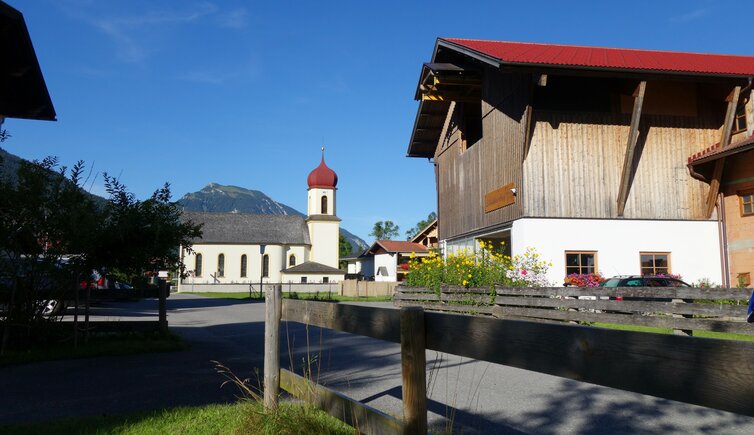
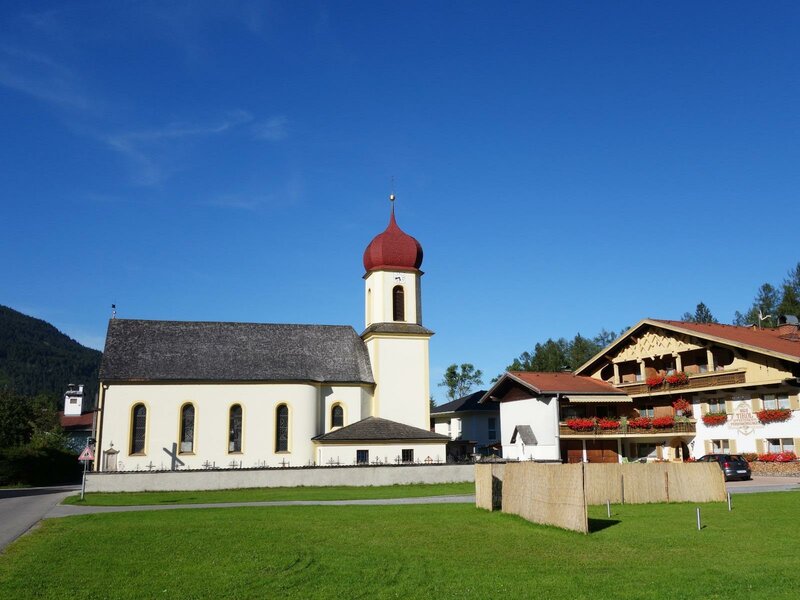
Forchach extends from the Lech river in the valley up to Mt. Schwarzhanskarspitze in the Lechtal Alps. It was first mentioned in 1200 AD as "Vorhach", which means pine forest. Particularly worth to be visited in the municipal area is the St. Sebastian Parish Church, a former pest chapel which was enlarged in 1742 and converted to Baroque style.
The Lechau Meadows or Lechauen, which are part of the Tiroler Lech Nature Park, are the last wild river landscape in the Northern Alps. This landscape is characterized by rarities from flora and fauna that you can admire - with some luck - on the rivershore: So far, 1,160 plant species were demonstrated, 392 of which are precious and endangered, such as the German Tamarisk and the lady's slipper. Also rare animals such as the natterjack toad and the rattle grasshopper live here.
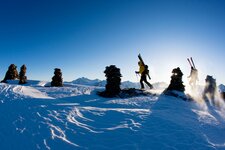
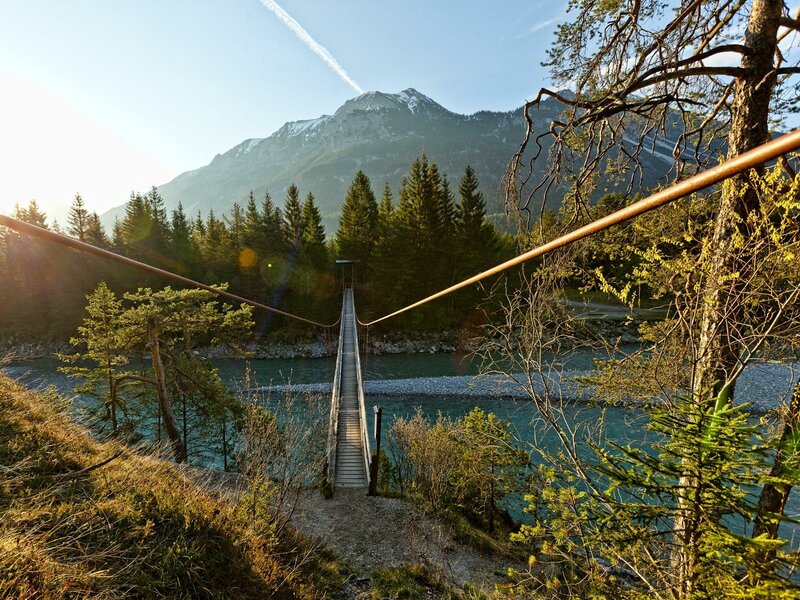
The Lechtal valley is one of the last near-natural alpine river valleys of Austria: At Forchach, the Lech river is spanned over by a nostalgic pending bridge, constructed back in 1906. It represents the connection between the village and the Schwarzwassertal valley, and is thus the starting point for the circular trails Forchach-Stanzach and Weissenbach. In winter, Forchach and the Lechtal valley are highly appreciated by ski tourers and cross-country skiers.