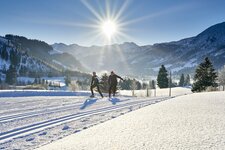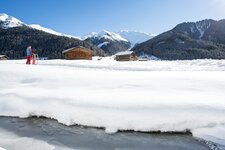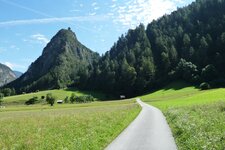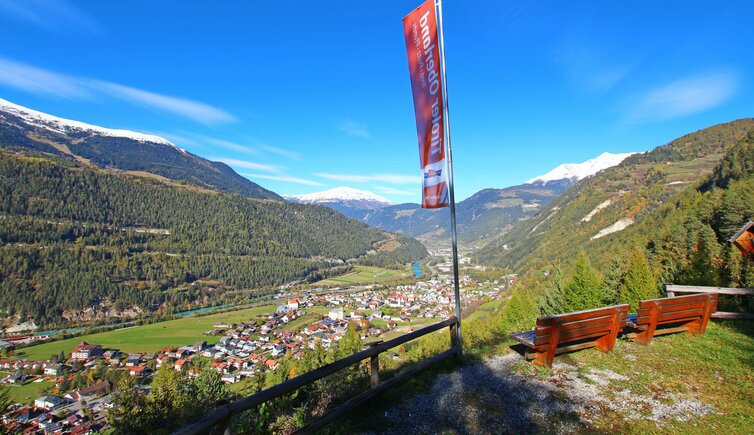
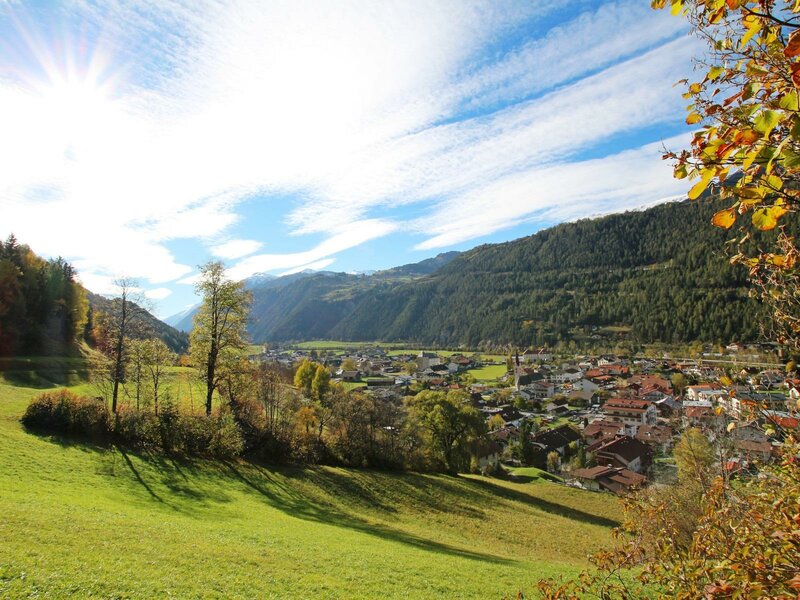
Surrounded by the majestic peaks of the Oetztal Alps and the Samnaun Alps, there is the holiday resort of Ried im Oberinntal
Image gallery: Ried im Oberinntal

Altitude: 876 m a.s.l.
The village of Ried, which means "marshy land" in Old High German, is located along the Via Claudia August in the upper part of the Inn Valley. This is where the roads to the sunny plateau Serfaus-Fiss-Ladis and to the Resia Pass cross. The latter takes you to South Tyrol in Italy.
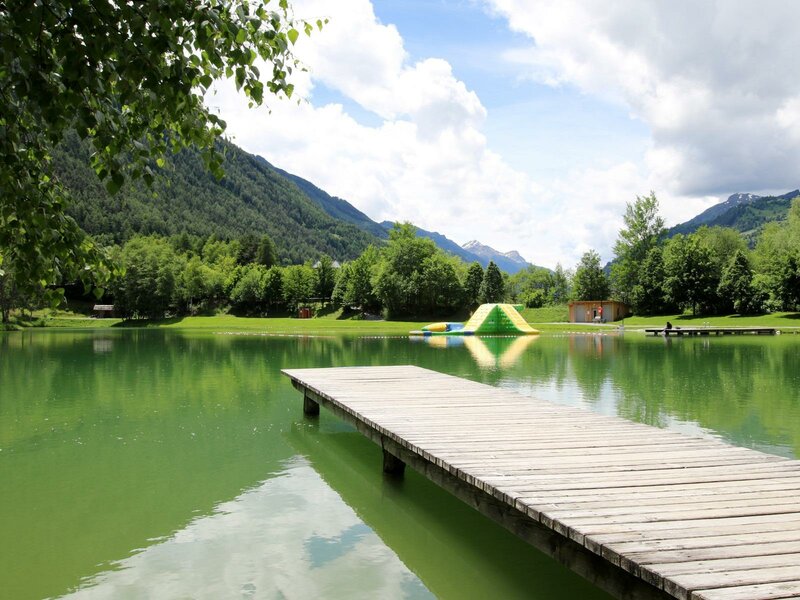
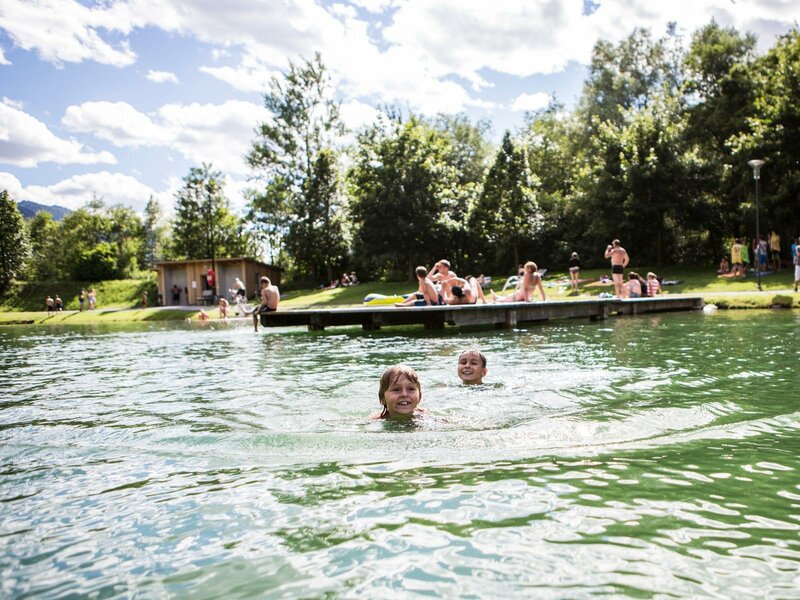
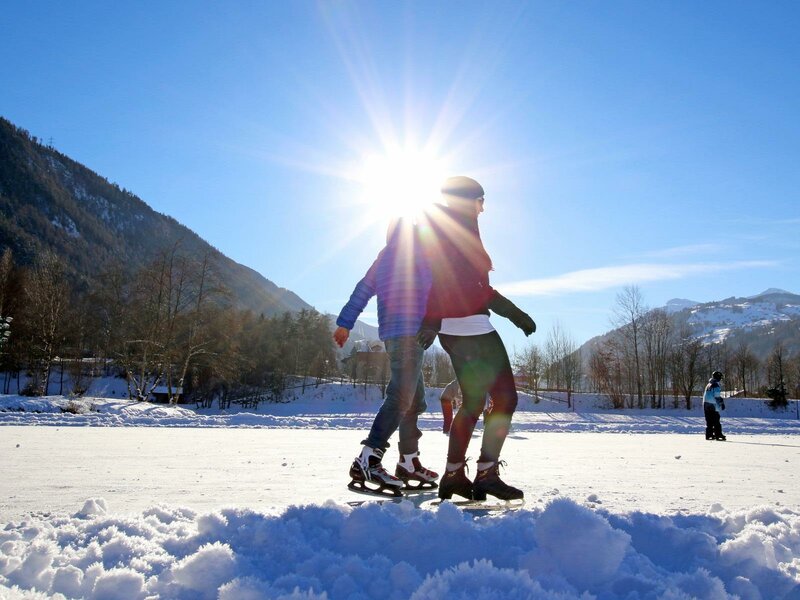
Here, the path will lead you to Lake Ried, a bathing lake which attracts plenty of people and casts a spell over them in summertime. Besides a sea restaurant on its shores, the offer includes also a new playground with eight water stations, where the kids will be accompanied by the mascot Bibi. In winter, the lake turns into an ice skating ground which stays illuminated till midnight. Above the village, the Herrensteig path between the Wiener Hut and the Belvedere Hut, as well as the 100 m high "Fallender Bach" waterfall close to the Anton Renk Refuge, are beautiful hiking destinations.
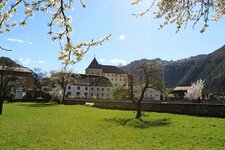
By the way: Ried im Oberinntal was built round a tower, from which the transit route through the Inn Valley was surveiled. Sigismund, Archduke of Austria, had this tower transformed into a hunting castle named "Siegmundsried". Today, it can be visited in summertime, and is used as a beautiful backdrop for markets and events in autumn and winter.