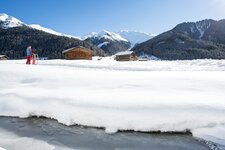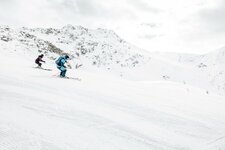
The mountain village of Fendels, one of the smallest municipalities of Tyrol, is committed to gentle tourism
Image gallery: Fendels
Altitude: 1,356 m a.s.l.
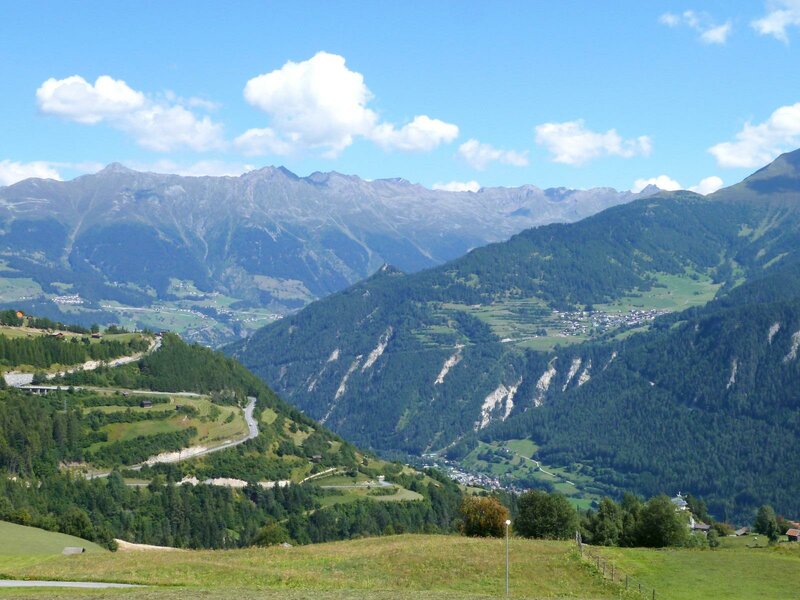
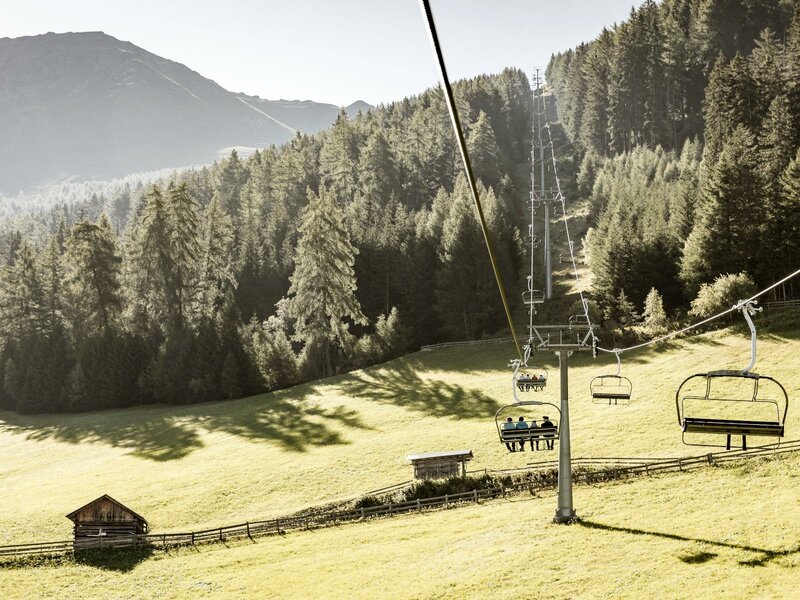
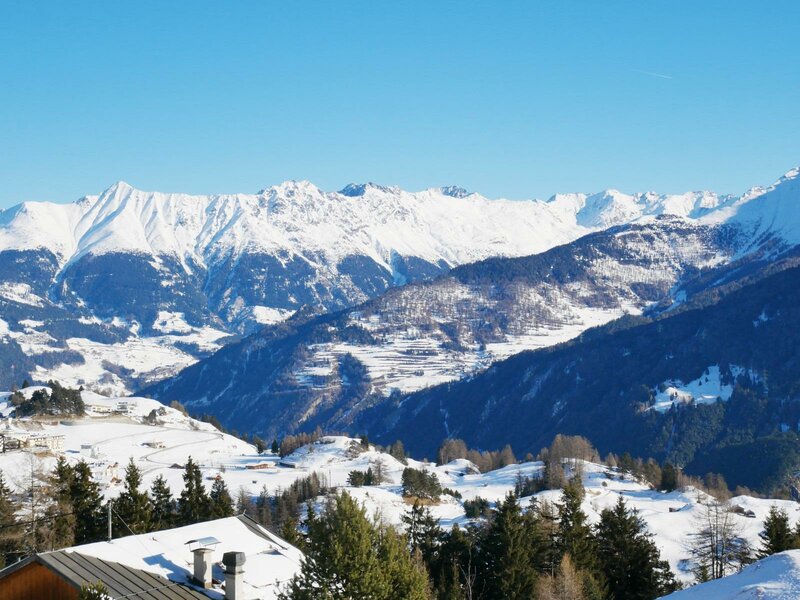
Fendels is enthroned high above the Inn Valley, embedded in the Glockturm Ridge in the Oetztal Alps. "Venels" was already mentioned for the first time in the 13th century. In 1959, a road made this mountain village more easily accessible, before it could only be reached via funicular.
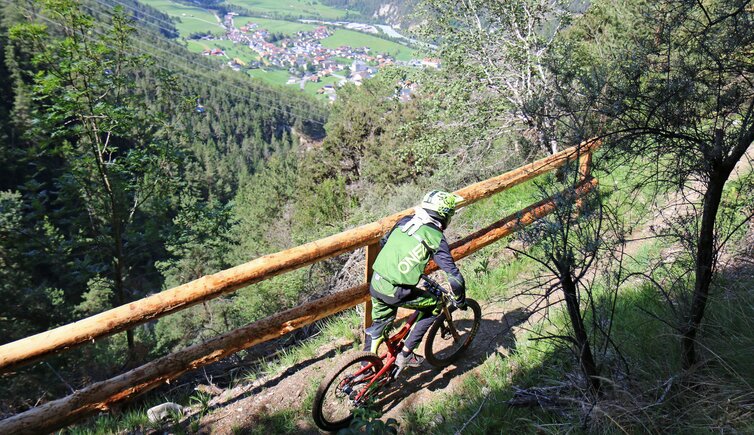
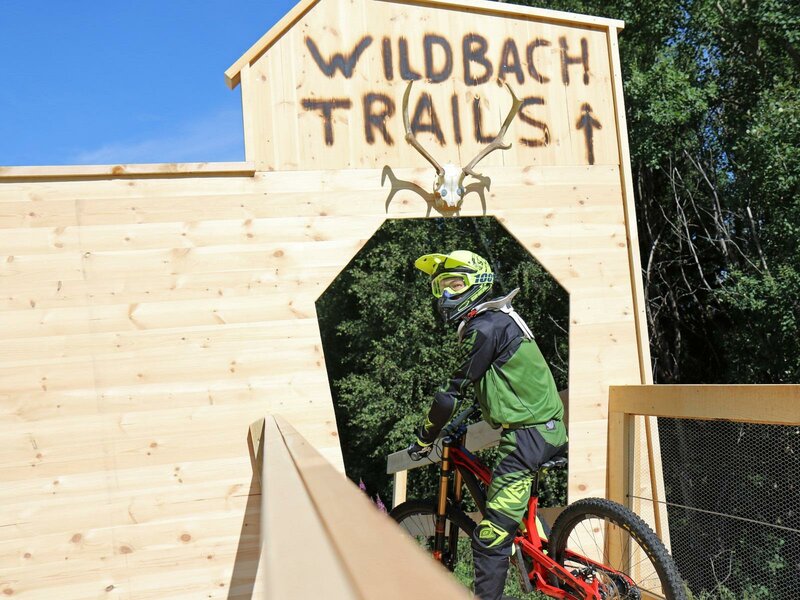
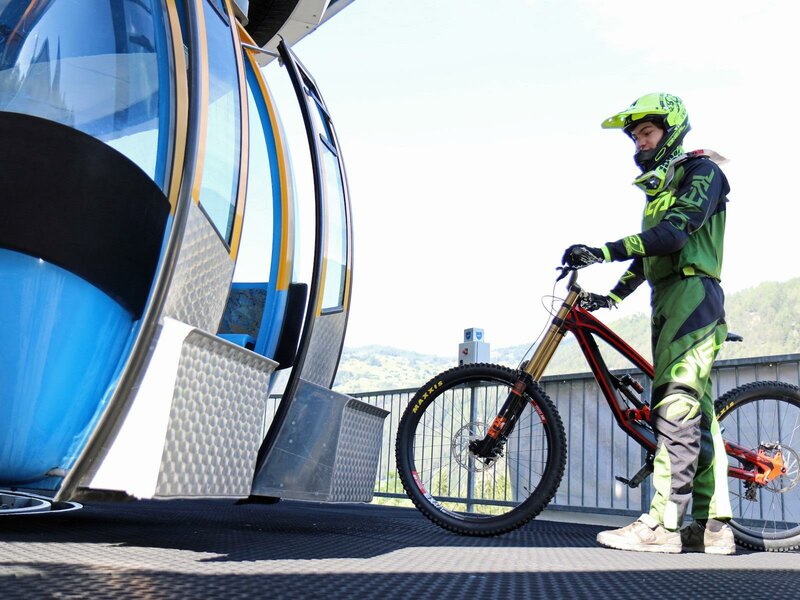
Holidays at Fendels stand for holidays in the mountains, including brawling mountain torrents, crystal clear mountain air and intact nature. Half an hour walking time from Fendels there is a picnic area with brick-built barbecue, a beautiful destination for a pleasant walk. Other hikes take you to the Wiesele castle ruin, to the 3,350 m high peak of Mt. Glockturm, or to the Anton Renk Mountain Hut. At the mountain station of the cable car, however, starts the Windbachtrail, a Single Trail leading mountain bikers through woods and across meadows down to the village of Ried.
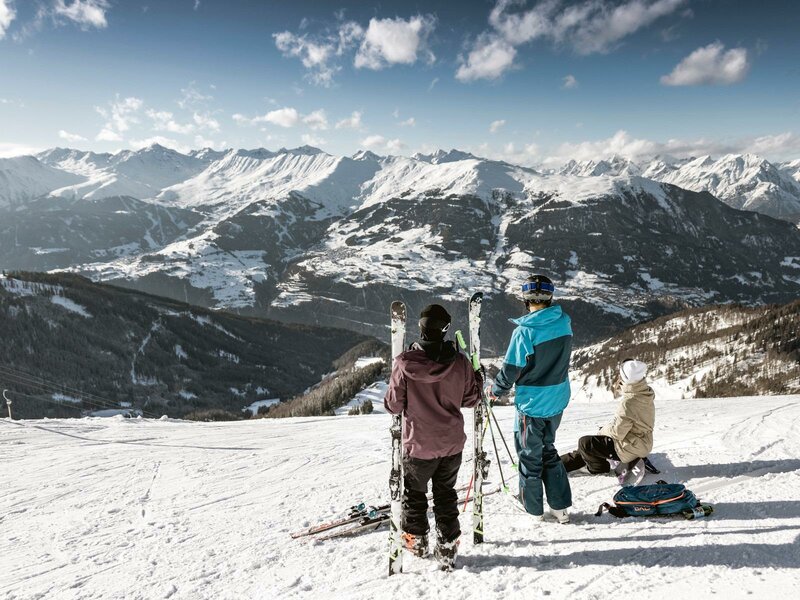
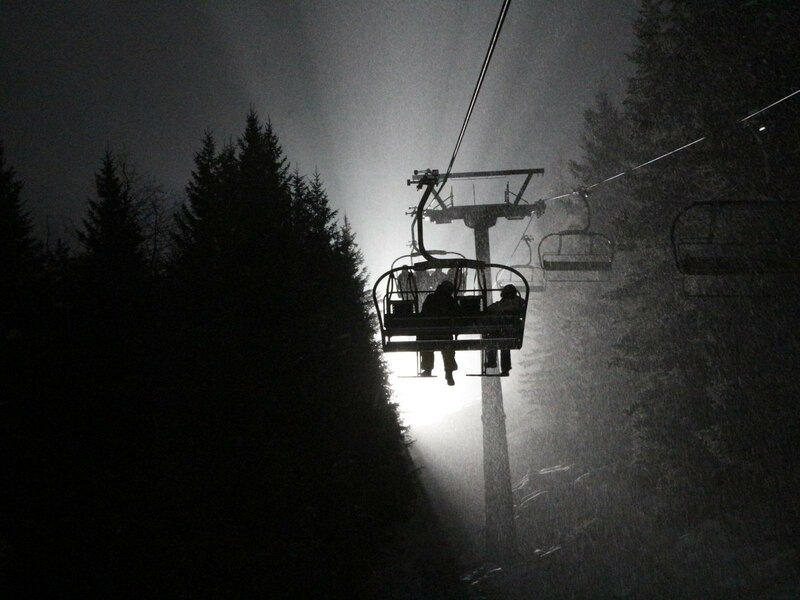
In winter, Fendels turns into a ski resort: The lift facilities take you on the winter mountain Fendels, which forms with the Kaunertal Glacier the Kaunertal Glacier - Fendels Skiing Area. Part of it is also a 3.5 km long toboggan run. A ski school, a ski rental, and restaurants which pamper you with seasonal dishes complete the winter offer of the lovely mountain village.